
When you hear scratching in the walls or find small droppings in your kitchen, the first question is usually the same: do I have rats or mice?
Knowing which pest you’re dealing with is important because it changes the control methods you’ll need. Here’s how to tell the difference and what to do next.
1. Droppings: The Biggest Clue
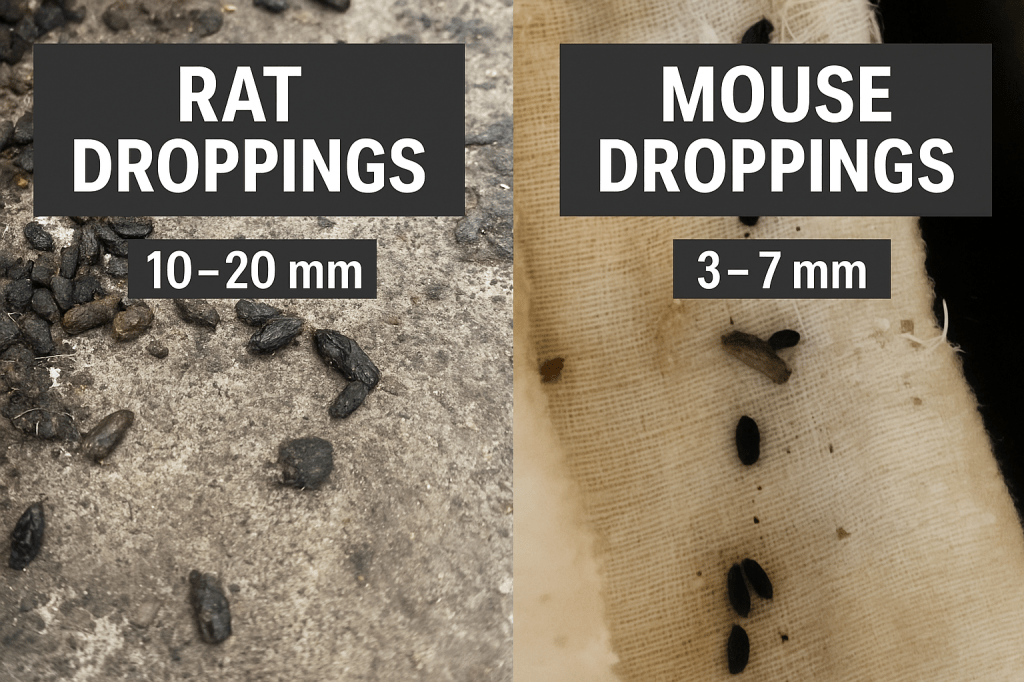
Mouse droppings: Small, about the size of a grain of rice (3–7mm). Pointed at both ends. Usually scattered in large numbers.
Rat droppings: Larger, about 10–20mm. Blunt at the ends. Fewer in number but often grouped together in corners or along walls.
👉 If you’re finding tiny black grains everywhere, you’re likely dealing with mice. If the droppings are bigger and sausage-shaped, it’s rats.
2. Noises in the Night
Mice: High-pitched squeaks, light scratching in ceilings, lofts/attics, or inside kitchen units.
Rats: Heavier scurrying, gnawing, and thuds. Rats are stronger and noisier when moving through walls or under floorboards.
3. Gnaw Marks and Damage
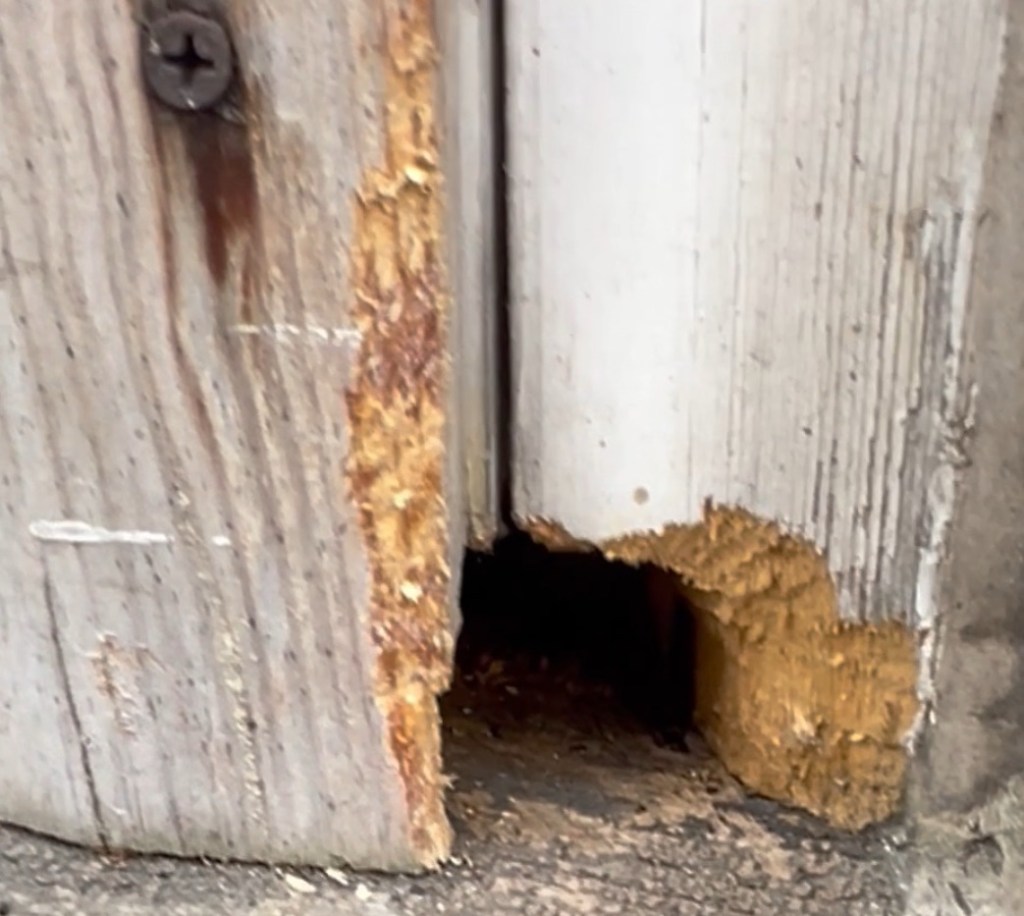
Mice: Fine nibble marks, often on food packaging, skirting boards, or wiring.
Rats: Larger teeth marks, often leaving chew damage on wood, insulation, and even pipes.
4. Smell and Trails
Mice: A musty, urine-like smell that builds up quickly in small spaces.
Rats: Stronger ammonia smell, often noticeable in lofts, sheds, or garages where they nest.
Rats also leave greasy smear marks on walls and baseboards as they follow the same routes.
5. Where You Spot Them
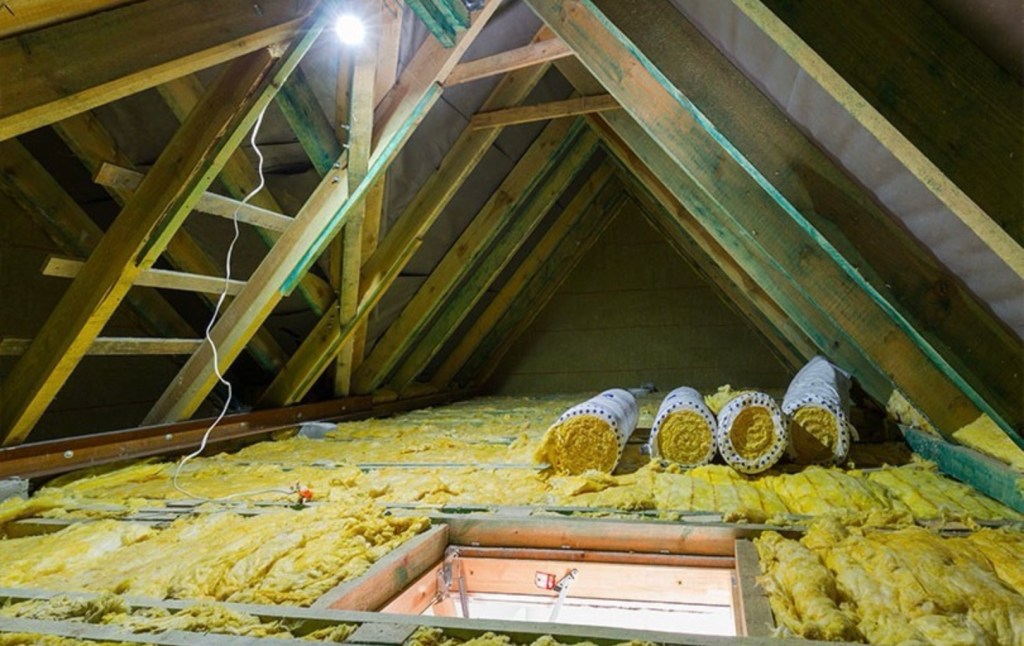
Mice: Prefer kitchens, cupboards, lofts/attics, and anywhere close to food.
Rats: Common in lofts/attics, sheds, drains, and under floorboards. They often tunnel outdoors and then find their way in.
What to Do Next
Whether you’ve got rats or mice, the sooner you act, the easier it is to get control.
Seal entry points. Set the right traps in the correct locations. Use safe baiting methods where needed.
⚡️ For step-by-step instructions on getting rid of them effectively, check out the DIY Rat Control Guide or the DIY Mouse Control Guide by Wallace Russ.
Final Thoughts
Telling rats and mice apart doesn’t have to be complicated: check the droppings, listen to the noises, and look for signs of gnawing or smells. Once you know what you’re dealing with, you can target the problem properly and stop it from getting worse.
👉 Need a clear plan that saves you time and money? Grab the full DIY Rat Guide or DIY Mouse Guide today.
Frequently Asked Questions
How do I know if I have rats or mice?
Check droppings first: mouse droppings are 3–7mm and pointed, while rat droppings are 10–20mm and blunt. Rats are also noisier and leave stronger smells.
Are rat droppings bigger than mouse droppings?
Yes. Rat droppings are up to three times the size of mouse droppings and usually clustered, while mouse droppings are smaller and scattered.
Do rats or mice smell worse?
Both rodents have a strong odour, but rat infestations usually produce a stronger ammonia-like smell. Mice tend to leave a lighter, musty smell.
Can rats and mice be in the same house?
It’s possible, but uncommon. Usually, one species will dominate an area because they compete for food and shelter.
What should I do if I hear scratching in the loft or walls?
First, inspect for droppings and gnaw marks to identify whether it’s rats or mice. Then set traps or bait in the right places. For full step-by-step instructions, see the DIY Rat Guide or DIY Mouse Guide.

 NUKAPEST – DIY Pest Control Guides